Ukulele vs Violin: Which Instrument Is Right for You?
As a musician, I have always been fascinated by the variety of instruments available to play. Two instruments that have always caught my attention are the ukulele and the violin. While both instruments are stringed and produce beautiful sounds, they are vastly different in terms of design, playing techniques, and learning curve. In this article, I will explore the differences between the ukulele vs violin and provide a comparative analysis to help you decide which one is right for you.
Ukulele vs Violin – Key Takeaways
- The ukulele and violin have different origins and histories, with the ukulele originating in Hawaii and the violin dating back to the 16th century.
- The ukulele is easier to learn and play compared to the violin, but the violin produces a richer, warmer tone.
- The choice between the two instruments depends on personal preference, playing style, and musical goals.
Origins and History – Ukulele vs Violin
Ukulele History
The ukulele is a small four-stringed instrument that originated in Hawaii. The ukulele was invented in the late 19th century and was derived from the Portuguese machete, a small guitar-like instrument which was later known as a braguinha. The name “ukulele” means “jumping flea” in Hawaiian, a reference to the quick movements of the fingers on the strings.

The ukulele gained popularity in the United States in the early 20th century, thanks in part to the efforts of musicians like Jake Shimabukuro. Today, the ukulele is a popular instrument around the world, and is often associated with Hawaiian music and culture. You can check this blog post for a more detailed history of the ukulele.
Violin History
The violin, on the other hand, has a much longer history, dating back to the 16th century. It is a member of the lute family, which also includes instruments like the mandolin and the rajao. The violin has been used in a wide variety of musical genres, from classical music to folk music to rock and roll.
Itzhak Perlman, Hilary Hahn and Joshua Bell are famous violinists of today. They play mainly classical music. Musicians can also play violins in folk and traditional styles. Famous rock violinists include Lindsay Sterling and Eddie Jobson.
Violin and fiddle are the same instrument. The style of playing is what changes. Famous fiddlers include Kenny Baker, Sam Bush and Michael Cleveland.

Overall, both the ukulele and the violin have rich histories and have played important roles in the development of music over the centuries. Some may prefer the bright, cheerful sound of the ukulele while others the rich, complex tones of the violin. There is no denying the beauty and versatility of these two instruments.
Design and Construction – Ukulele vs Violin
Ukulele Design
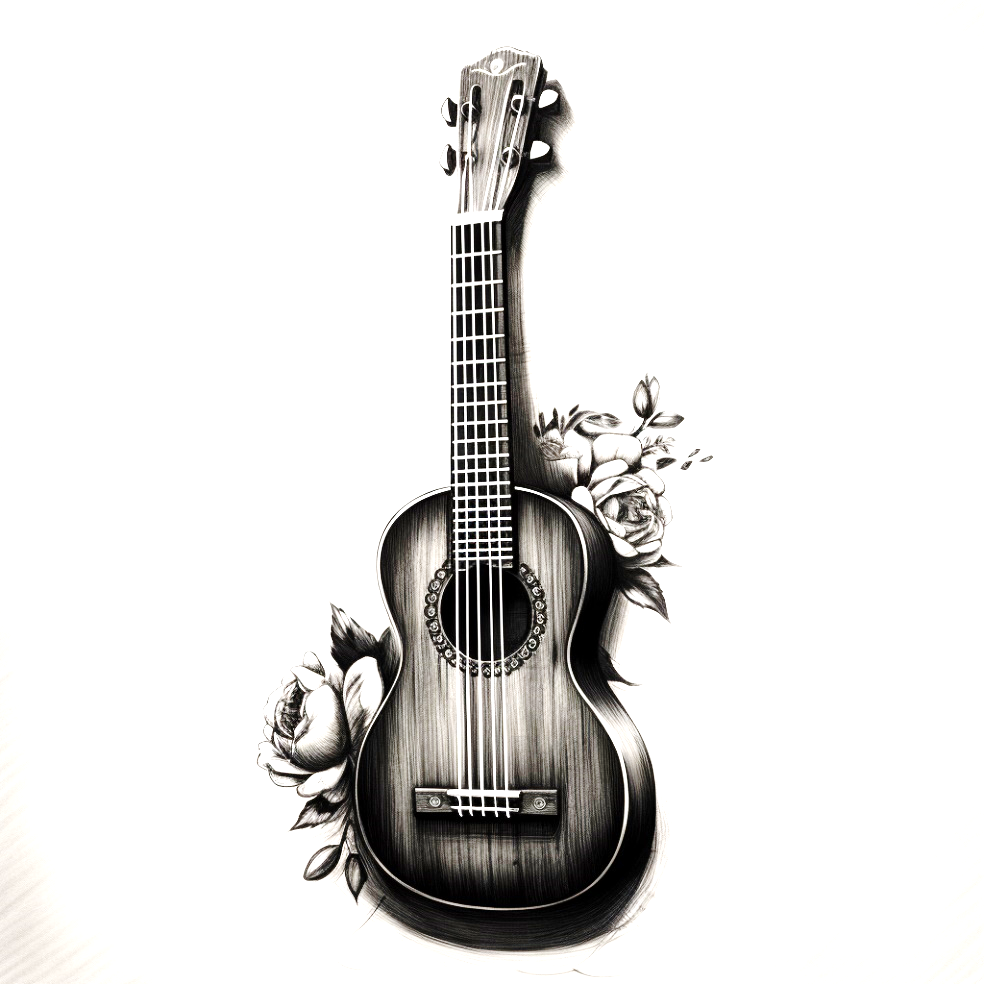
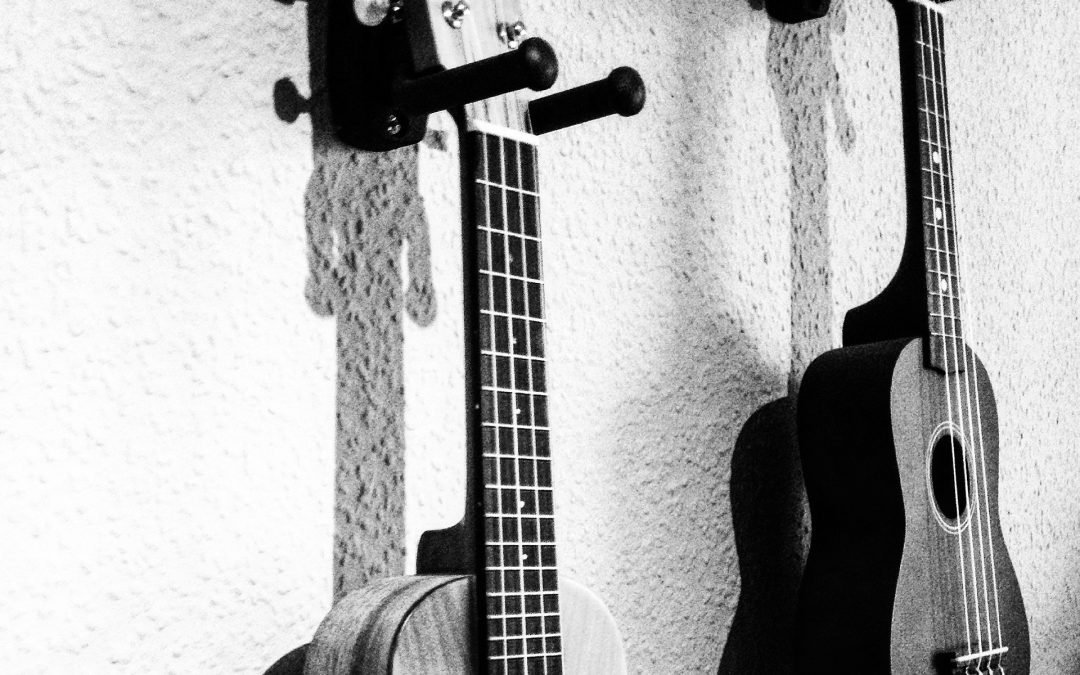
The ukulele is a small, four-stringed instrument that is typically made of wood. The body of the ukulele is shaped like a figure-eight and has a hollow resonating body that amplifies the sound produced by the strings. The ukulele has a fingerboard with frets, which are small metal bars that divide the fingerboard into different notes. The strings are usually made of nylon or gut, and are tuned to the notes G, C, E, and A for soprano, concert and tenor ukuleles. The bridge of the ukulele holds the strings in place, and the tailpiece anchors them to the body.
Violin Design
The violin is a stringed instrument that is made of wood and has four strings. The body of the violin is shaped like an hourglass and has a hollow resonating body that amplifies the sound produced by the strings. The violin has a fingerboard with no frets, which allows the player to produce a wide range of notes by placing their fingers at different positions on the fingerboard. The strings are usually made of steel or gut, and are tuned to the notes G, D, A, and E. The bridge of the violin holds the strings in place, and the tailpiece anchors them to the body. The soundpost is a small piece of wood that is placed inside the violin to help transmit the vibrations of the strings to the resonating body.
Both the ukulele and violin are made of wood, with the choice of wood affecting the sound produced by the instrument. The fingerboard and bridge of both instruments are usually made of ebony, which is a dense and hard wood that can withstand the pressure of the strings. The horsehair bow is used to play the violin, while the ukulele is typically played with the fingers.
Overall, the design and construction of the ukulele and violin are unique to each instrument, with each having its own set of features that contribute to its sound and playability.
Playing Techniques and Learning – Violin vs Ukulele
Bow Technique and Plucking
The violin is played using a bow or by plucking the strings with your fingers.
Bow technique is an essential aspect of playing the violin. It involves holding the bow correctly and applying the right amount of pressure and speed. You then move the bow in the right direction to produce the desired sound. Bowing techniques can vary depending on the genre of music you are playing. For example, classical music requires a more precise and controlled bowing technique, while fiddle music often involves more improvisation and a looser bowing style.
Plucking, on the other hand, involves using your fingers to pluck the strings and create a sound. Bluegrass tends to use shuffle bowing and chopping. You use the bow differently to fit in with the groove of the music.
Strumming
When it comes to playing the ukulele, strumming is one of the most important techniques to learn. It involves using your fingers to brush across the strings in a rhythmic pattern. The ukulele has four strings, so the strumming pattern can be quite simple. Beginners can start with basic patterns like all-down strums or down-up-down-up, or down-down-up-up strums. As you progress, you can experiment with more complex patterns to create different rhythms and styles.
Chords and Notes
The ukulele is a chord-based instrument, which means that most songs are played using a combination of chords. Chords are formed by pressing down on the fretboard with your fingers to change the pitch of the strings. There are many different chord shapes to learn, and once you have mastered them, you can play a wide variety of songs.
The violin, on the other hand, is a melody-based instrument, which means that it is played one note at a time. Learning to read sheet music and play individual notes is an essential part of playing the violin. Unlike the ukulele, which has a fretboard to guide your fingers, the violin requires a good ear for pitch and intonation.
In conclusion, both the ukulele and the violin require different playing techniques and learning approaches. The ukulele is great for beginners who want to learn chords and strumming patterns, while the violin is better suited to those who want to develop their skills in reading sheet music and playing individual notes. Regardless of which instrument you choose, practice, concentration, and good posture are essential for mastering playing techniques and becoming a skilled musician.
Here is a wonderful video of Jenny and one of her students playing the song “Over the Rainbow” using a ukulele and a violin.
Comparative Analysis – Ukulele vs Violin
When it comes to comparing the ukulele and the violin, there are several factors to consider. In this section, I will analyze the key differences between these two instruments in terms of sound and acoustics, physical differences, and cultural and genre associations.
Sound and Acoustics
One significant difference between the violin and the ukulele is the sound they produce. The ukulele is known for its bright and cheerful sound, while the violin has a more classical and refined tone. The ukulele’s sound is produced by nylon or gut strings, while the violin has steel strings. The ukulele also has a shorter neck than the violin, which affects the intervals and notes that can be played.
Physical Differences

The ukulele and the violin also differ in their physical characteristics but they are both four-stringed instruments that are typically made of wood. The ukulele comes in different sizes, including soprano, concert, tenor, and baritone. On the other hand, the violin does have a longer neck compared to the ukulele but it also comes in different sizes to fit the arm length of the player. It is also part of the orchestra and is often used in classical music arrangements.
Cultural and Genre Associations

The ukulele and the violin have different cultural and genre associations. The ukulele is often associated with Hawaiian music and is used in genres such as folk, country, and pop. It is also used in contemporary music, with the electric ukulele being a popular choice. The violin, on the other hand, is a classical instrument that is often used in orchestras. It is also used in genres such as jazz, folk, and country, where it is known as the fiddle.
In conclusion, while the ukulele and the violin share some similarities, they have distinct differences in terms of sound and acoustics, physical characteristics, and cultural and genre associations. Whether you prefer the ukulele’s bright and cheerful sound or the violin’s classical and refined tone, both instruments offer a perfect way to express your musical creativity.
Frequently Asked Questions
How do the string arrangements on a ukulele compare to those on a violin?
Although both the ukulele and the violin have four strings, the instruments’ strings are arranged differently. The strings on a ukulele are tuned to G, C, E, and A, while the strings on a violin are tuned to G, D, A, and E. The different string arrangements affect the sound and playing style of each instrument.
Can you play chords on a violin like you can on a ukulele?
While you can technically play chords on a violin, it is not as common as it is on a ukulele. The violin is primarily used for playing melodies and harmonies, rather than chords.
What are the typical price ranges for beginner ukuleles and violins?
Beginner ukuleles can range from around $30 to $100, while beginner violins can range from around $100 to $300. However, it is important to note that higher quality instruments can be much more expensive.
Which instrument is generally considered easier for beginners to learn?
This is subjective and depends on the individual. Some people may find the ukulele easier to learn due to its smaller size and simpler chord structures. Others may find the violin easier due to its more traditional music education methods and focus on playing melodies.

Are you struggling with strumming?
With our book and course, you’ll become a fluent 3-chord strummer.